





Cart review
Clear Cart-
Cart is Empty
Call or Text Now to Recieve a Service from Personal Jeweler Get Your Offer

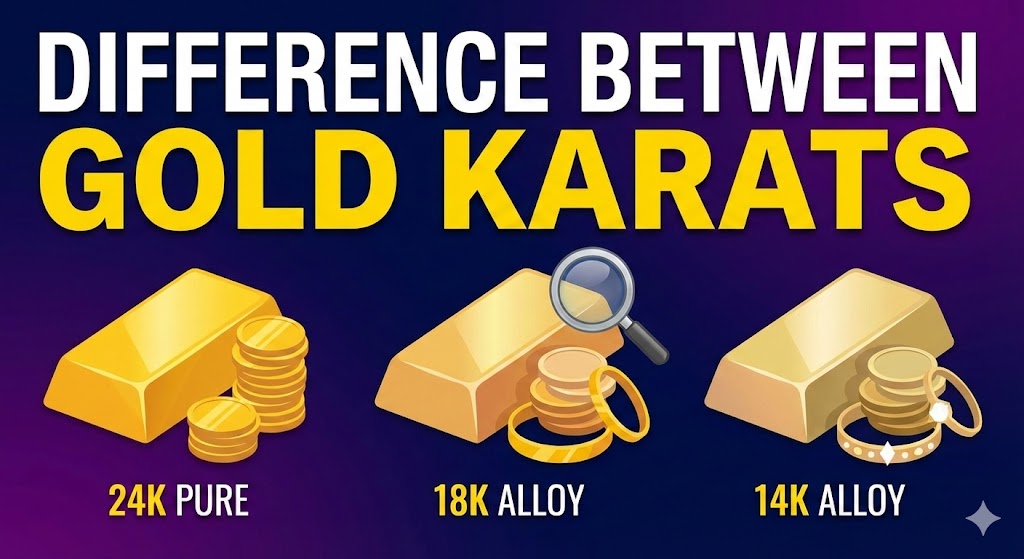
Everything you need to know about gold purity, hallmarks, and choosing the right karat for your lifestyle — from a jeweler who’s seen it all.
Walk into any jewelry store and you’ll see tags that read 10K, 14K, 18K, or 24K. But what do those numbers actually mean? And more importantly — how does the karat of your gold affect its color, durability, value, and feel? Whether you’re buying your first chain, picking an engagement ring, or adding to your collection, understanding karats is the single most important piece of jewelry knowledge you can have.
The word “karat” traces back to the ancient carob seed, historically used as a counterweight for measuring precious metals due to its remarkably consistent mass. Today, a karat (abbreviated K or Kt) is the unit of measurement used exclusively to express the purity of gold in an alloy.
Pure gold is 24 karats — meaning 24 out of 24 parts are gold. That’s 99.9% pure gold in its natural, unalloyed state. Everything below 24K is a mixture of gold and other metals such as silver, copper, zinc, or palladium. These additional metals are not “fillers” — they’re engineering choices that change hardness, color, tarnish resistance, and wearability.
🔑 The Golden Formula
Divide the karat number by 24 and multiply by 100 to get the gold percentage. So 18K gold = (18 ÷ 24) × 100 = 75% pure gold. Simple as that.
Here’s a breakdown of the most common gold karats you’ll encounter in the US market, from the most affordable to the purest:
Most affordable & durable. Common in fashion jewelry & budget pieces.
The sweet spot. Rich color, excellent durability. America’s #1 choice for engagement rings.
Luxury standard. Deeper tone. Preferred in Europe. Best for light-wear fine pieces.
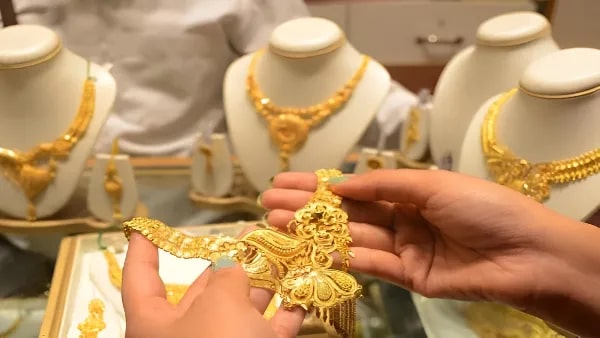
Rich vivid yellow. Popular in South Asian & Middle Eastern bridal jewelry. Soft — not for daily wear.
Pure gold. Too soft for jewelry. Best for investment bullion & coins.
One of the most misunderstood aspects of gold jewelry is that karats directly affect color. Most people expect “gold” to look one specific way — that rich warm yellow from movies and magazines. The reality is more nuanced.
Higher karats produce a deeper, more saturated orange-gold hue. 24K gold is actually a rich orange-yellow — not the polished yellow most people picture. 14K and 18K yellow gold hit that classic warm tone because silver and copper in the alloy balance out gold’s natural orange cast.
White gold doesn’t occur naturally. It’s yellow gold alloyed with white metals like palladium or silver, then plated with rhodium for its bright silver finish. A 14K white gold piece contains the exact same amount of gold as a 14K yellow gold piece — the alloy composition is simply different. Over time, rhodium plating wears off and the piece may need re-plating.
Rose gold gets its blush-pink tone from a higher proportion of copper. 14K rose gold typically contains about 58.3% gold, 32% copper, and 9.7% silver. More copper means deeper pink tones. Because the color is intrinsic to the alloy — not plating — rose gold is extremely low maintenance.
“The karat of gold you wear tells a story — about your lifestyle, your budget, and what you value. There’s no wrong answer, only the right choice for you.”
— Mike Da JewelerEvery legitimate piece of gold jewelry sold in the United States must be stamped with a hallmark disclosing its karat. Knowing how to read these stamps is the first and most reliable way to verify what you’re buying — or authenticate something you already own.
| Karat | Common Stamps | Gold Content | Often Found In |
|---|---|---|---|
| 10 Karat | 10K, 10KT, 417, .417 | 41.7% | Fashion jewelry, kids’ pieces |
| 14 Karat | 14K, 14KT, 585, .585 | 58.3% | Engagement rings, everyday fine jewelry |
| 18 Karat | 18K, 18KT, 750, .750 | 75% | High-end jewelry, luxury watches |
| 22 Karat | 22K, 22KT, 916, .916 | 91.6% | Gold coins, bridal sets |
| 24 Karat | 24K, 24KT, 999, .999 | 99.9% | Bullion bars, investment coins |
The three-digit stamps (like 585 or 750) are millesimal fineness marks — the European standard expressing purity in parts per thousand. If you buy imported or vintage European pieces, you’ll see these instead of K-stamps. Both are equally valid and legally recognized in the US.
Whether you’re at an estate sale, a flea market, or evaluating a piece you already own, here are the methods professional jewelers use to determine gold quality:
The answer depends on how and where you’ll wear the piece. Here’s a cheat sheet from years of experience working with customers of all lifestyles and budgets.
For everyday rings and bracelets — pieces that take a beating — 14K is the champion. It’s durable enough for daily wear, contains a meaningful 58.3% gold, and strikes the perfect balance of price and beauty. This is why the majority of engagement rings sold in the US are 14K.
For necklaces and earrings that don’t experience as much friction, 18K is a beautiful choice. You’ll appreciate the deeper, richer color, and since these pieces aren’t grinding against surfaces all day, the slightly softer alloy isn’t a problem.
For investment or cultural pieces — particularly South Asian bridal jewelry, heirloom sets, or gold bars — 22K and 24K are the traditional choices. The higher gold content holds value more directly and carries deep cultural significance in many communities.
For budget-conscious buyers who still want real gold, 10K is the most affordable and most durable option. It’s real gold, legally stamped, and will outlast higher karat alternatives in high-impact settings.
Bring any piece — new, vintage, or inherited — to Mike Da Jeweler for a free karat inspection you can trust. We use professional XRF technology and decades of hands-on experience to give you real answers.
Book a Free Consultation
Tell about your service.

Within 10 days.

No question ask.

24/7 Live support.

Leave a Reply