








Cart review
Clear Cart-
Cart is Empty
Call or Text Now to Recieve a Service from Personal Jeweler Get Your Offer


At MikeDaJeweler, we believe every gold piece should be as genuine as the memories it helps create. With fake gold circulating in the market, it’s essential to know how to distinguish real from counterfeit. Here’s a step-by-step guide, complete with visuals, to help you identify authentic gold like a pro.
What to Look For: A hallmark or stamp indicating the karat value (e.g., 10K, 14K, 18K, or 24K) or purity (e.g., 750 for 18K gold).
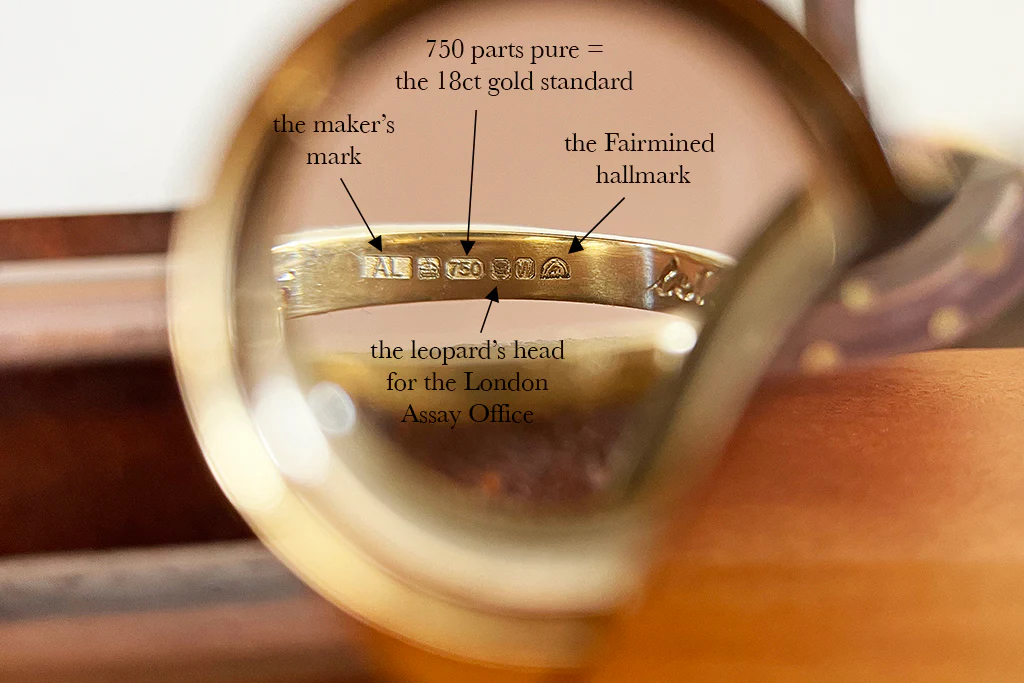
Inspect hidden areas like the inner band of a ring or the clasp of a chain for the hallmark.
⚠️ Note: Counterfeiters can replicate these marks, so further tests are necessary.
What to Do: Use a strong magnet to test the piece. Gold is non-magnetic, so it shouldn’t stick.
Gold is non-magnetic. If the piece is attracted to a magnet, it may contain iron, nickel, or another magnetic metal. Use a strong magnet for this test, as weaker magnets may not reveal the composition accurately.
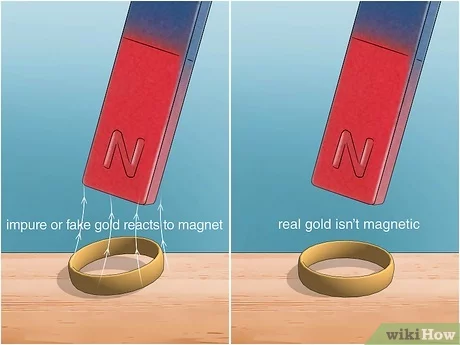
If the jewelry reacts to the magnet, it likely contains other metals.
What to Do: Apply a small drop of nitric acid to the piece. Real gold will remain unaffected, while base metals may corrode or change color.
Professional jewelers like us often use a nitric acid test kit to determine gold authenticity. By applying a small drop of acid to the jewelry, we observe the reaction. Genuine gold remains unaffected, while base metals may corrode or change color. This test should be conducted by professionals, as acid handling requires caution.
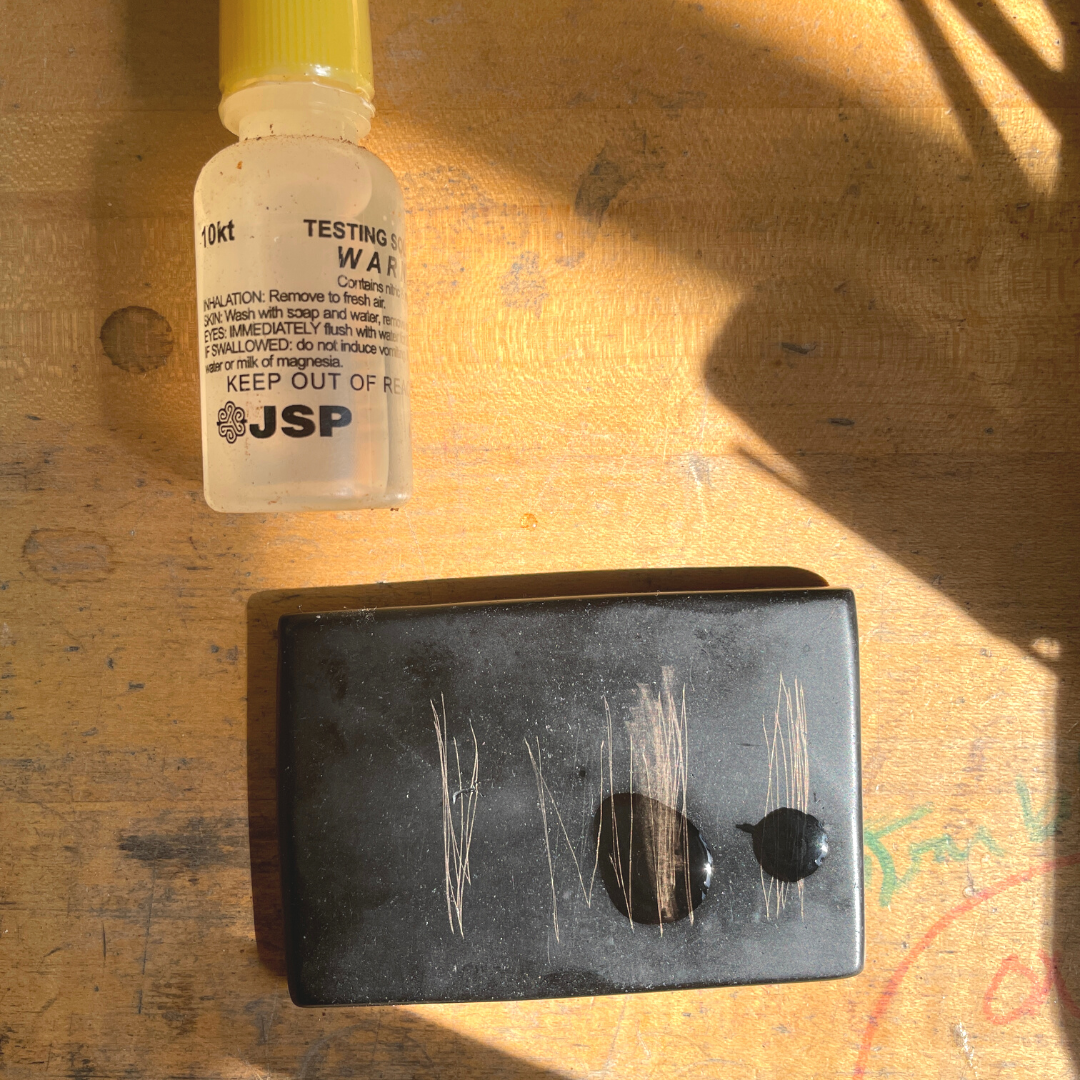
This test is best performed by professionals like us at MikeDaJeweler.
What to Do: Drop the item into a glass of water. Real gold, being dense, will sink, while fake or lightweight metals might float.
Gold is dense and will sink in water. Drop the item into a glass of water. If it floats, it’s likely fake or made of a lightweight material. However, some gold-plated pieces may also sink, so combine this with other tests.
Ensure the water test is combined with other methods for accuracy.
What to Do: Gently scratch the item on an unglazed ceramic plate. Genuine gold will leave a gold streak; fake gold may leave a black or silver streak.
Genuine gold is soft and malleable. Using a ceramic plate or an unglazed tile, gently scratch the item. Real gold leaves a gold streak, while fake gold may leave a black or silver streak. Be cautious, as this method can damage the jewelry.
Be cautious—this test can leave marks on your jewelry.
Gold is heavier than most metals. If a piece feels unusually light for its size, it could be fake. Compare the weight of a suspected item with a similar piece of verified gold jewelry.
What to Look For: Pure gold doesn’t tarnish or corrode. Examine areas of the jewelry that are exposed to wear, such as edges or clasps, for discoloration or peeling.
Discoloration or peeling often reveals a different metal underneath.
When in doubt, visit us at MikeDaJeweler in New York. We use advanced tools, like XRF analyzers, to test the purity of gold without causing any damage.
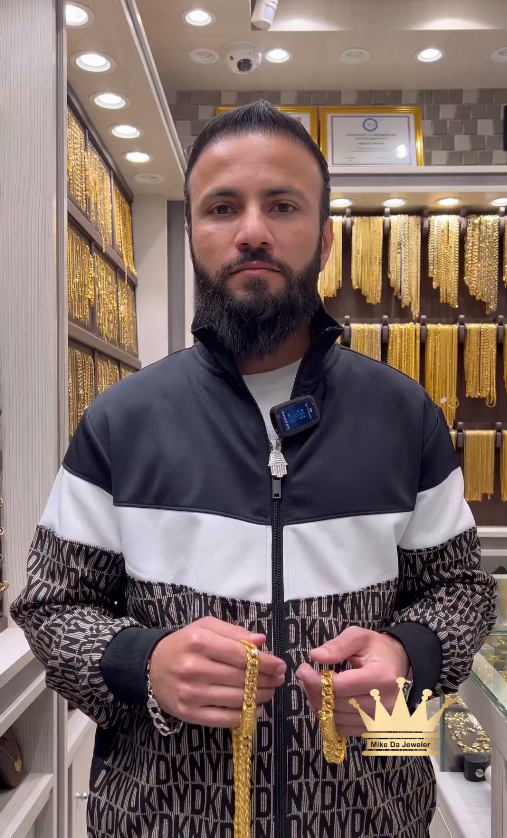
Our experts ensure your gold is authentic and provide peace of mind.
The best way to ensure you’re getting real gold is to purchase from a reputable jeweler. At MikeDaJeweler, we guarantee every piece of gold jewelry comes with certification and a lifetime of trust.

Visit our showroom in the heart of New York 47th West 47th St #13, NY 10036 for genuine gold and diamond jewelry.
Spotting fake gold involves a mix of visual inspection, simple tests, and professional expertise. At MikeDaJeweler, we’re here to guide you every step of the way. If you’re ever unsure, stop by our shop—we’ll help you authenticate your gold and find a piece that’s truly timeless.
💎 Visit MikeDaJeweler: Your trusted source for genuine gold and diamond jewelry in NYC.

Tell about your service.

Within 10 days.

No question ask.

24/7 Live support.

Leave a Reply